DIY, AI, or Pro Photographer? The Truth About Product Photos
Should you shoot your own product photos, use AI generation, or hire a professional photographer? This guide breaks down the real costs, quality differences, and brand implications of each approach. Whether you're running an ecommerce startup on a tight budget or building a premium brand that demands authenticity, you'll learn which product photography method fits your business goals and how to avoid the costly mistakes that even major brands are making with AI-generated content.
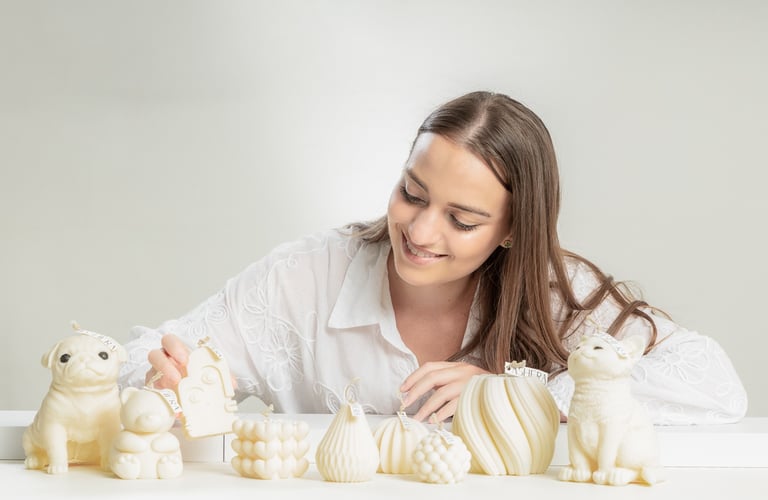

If you sell products online, you need good photos: simple plain backgrounds, descriptive pictures for your store (packshots), and lifestyle photos showing the product in use or telling your brand story.
That's just how it works. But here's the question everyone asks: should you take the photos yourself, use AI, or hire a professional?
Let's break down each option so you can figure out what makes sense for your business.
Taking Your Own Photos (DIY)
This is where most people start. You grab your phone or camera and start shooting.
You save money. That's the biggest win. No hourly rates, no studio fees, just you and your camera.
You also get total creative freedom. Want to try something new? Go for it. Miss the shot? Correct and repeat.
You can shoot as many versions as you want without watching the clock.
You know your product better than anyone else. You know exactly which features matter.
Plus, everything you shoot is yours. No questions about who owns what.
But... Phones and cheap cameras have limits. They compress your images, losing details compared to professional equipment. If someone zooms in on your product page, they might see the difference.
Learning to take great photos takes time. Lots of time. You need to figure out lighting, composition, editing software. All while running your actual business.
Without a proper setup, your results could look cheap (and looking cheap is the last thing you need for your business to thrive). Some photos look great, others have weird shadows or blurry spots. That inconsistency can hurt your sales.
Using AI Tools
AI is everywhere now. In 2026, more than 60% of online stores are trying it out.
Speed is unreal. You can create images in minutes. Want to test different backgrounds? Done. Need that Christmas picture updated for Easter? Easy. Same product, different settings. Put it on marble, sand, in space, whatever you want. The AI doesn't care.
And it's usually cheaper upfront than booking a photographer.
But... AI doesn't understand your brand story. It might give you weird proportions, missing details, or fabric that looks like plastic. Textures lose consistency and you can just hope your client won't zoom in!
Your images might look different every time you generate them. That makes your whole catalogue feel disconnected and inconsistent.
People are getting tired of AI images. They can spot them now, many buyers find them sloppy and fake (heard of AI Slop these last months?). They want to see real products, not computer-generated versions.
And here's a sneaky one: you'll probably have to fix AI mistakes in Photoshop, increasing costs and time. So much for saving money. And talking about money, keep in mind that generating the image you want needs multiple iterations. Each iteration costs tokens. After a few generations you might have spent them all, and have to wait for a refill next month or pay to get more. That's not so cheap anymore.
Hiring a Professional Photographer
A professional photographer is more than just a guy with a camera. We make sure everything matches your vision.
We have the technical skills to solve problems during shooting, like shiny metals, transparent glass, complex textures. All things that make AI and beginners struggle.
One advantage of hiring a pro photographer is the collaboration. Especially if you're present at shooting time, you can share your opinion on the result, you can hear recommendations from the professional, and working together makes the whole process faster. Not to mention the behind-the-scenes pictures you can take for your social media stories, reels, etc.
And you can sort out copyright stuff right from the start. No confusion about who can use the images and where.
But... It costs real money. Studio time, equipment, their fee. It adds up fast.
The logistics can give you some work. You need to schedule shoots, ship products (or bring them to the studio), coordinate the project.
Every time you have new products, you need another shoot.
Legal Things You Should Know
The legal side of AI is messy right now.
With regular photography, ownership is clear. With AI? Not so much.
AI companies are getting sued for billions of dollars. Getty Images, Disney, and the New York Times, they're all saying AI stole their content to train the systems. Those lawsuits are still going.
Laws are changing fast because governments see AI as a big deal for national security and the economy. What's okay today might not be okay next year.
Your product images need to show the actual product accurately, or you could get flagged for misleading customers.
A Few Considerations
Here are two recent examples showing what can happen when you rely too much on AI.
Coca-Cola's Holiday Disaster (2024/2025):
They re-created their famous "Holidays are Coming" commercial with AI. People hated it. The trucks changed their wheel setup between scenes. The animals looked weird and plastic. Viewers said it felt anti-human and killed the Christmas magic. They roasted Coca-Cola for using a "Real Magic" slogan while automating everything. Even my 8th grade daughter laughed at the Coca-Cola advert, calling it sloppy.
McDonald's Netherlands (2025):
They released a 45-second AI holiday ad called "The Most Terrible Time of the Year." The internet destroyed it. People called it anti-Christmas and pure garbage. McDonald's pulled the video completely and admitted it was a big learning moment.
What This Means:
People are getting tired of AI when it replaces human emotion and real moments (see the AI slop trend on social media).If you use AI for everything, customers might think you don't care about quality. Or worse, they might perceive your product or services as a scam (it happened to me... lesson learned), and might go to your competitors who keep things authentic.
So What Should You Do?
There's no one-size-fits-all answer. It depends on your budget, your timeline, and what your customers expect.
The key is knowing what each option can and can't do, then pick what fits your business best.
Starting out with limited cash? DIY might be your move. Just invest time in learning the basics.
Need to pump out a ton of variations fast? AI can help, but use it carefully and always check the results.
Building a premium brand where trust matters? Professional photography might be worth the investment.
Or mix them. Use pros for your hero shots, DIY for behind-the-scenes content, and AI for quick tests.
This is my perspective, I don't deny other opinions. In any case, good luck with your endeavours!
Mauri
The visual material displayed on this website is copyrighted by Limelightmedia.pro unless otherwise specified.
© 2025. All rights reserved.